


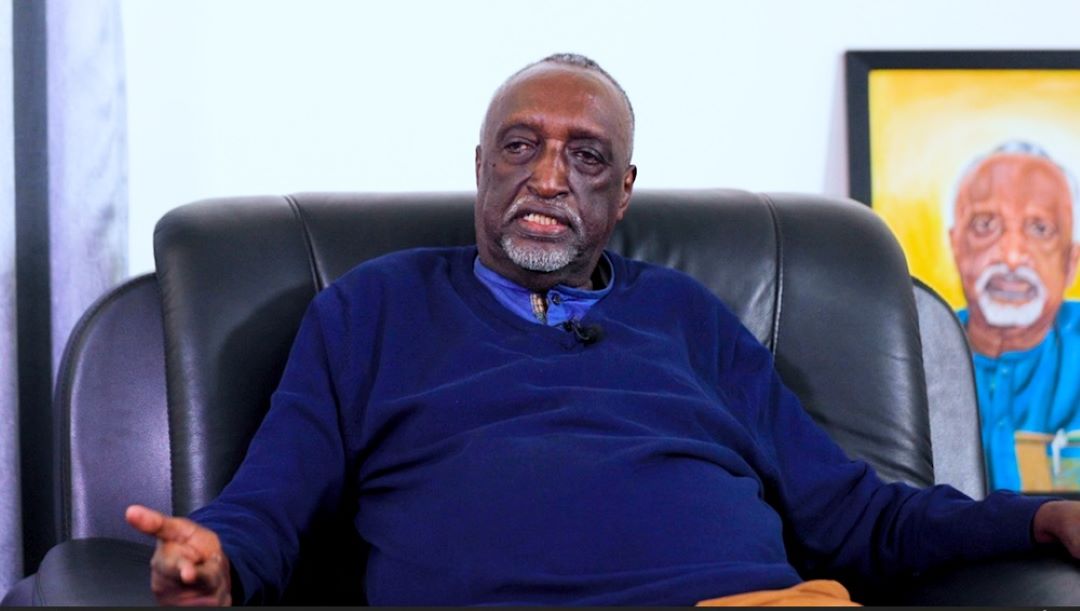
The name Tito Rutaremara is deeply embedded in Rwanda’s political history, particularly during the 1991 Arusha Accords between the then-Habyarimana government and the Rwandan Patriotic Front (RPF-Inkotanyi). In a revealing interview on the Rwandan Television program Password, Rutaremara opened up about the painful yet inspiring journey of Rwanda’s youth during the country’s liberation movement.
He recalled how the movement began in exile, with young Rwandan refugees in Uganda, many of whom had fled atrocities in their homeland. Among the earliest efforts to reclaim their identity and future was teaching children to read and write—without books, pens, or paper. “We wrote on our thighs using grass,” Rutaremara said. “Girls were asked not to apply oil on their skin so the writing would stick. Later, we used bamboo and cassava leaves.”
These makeshift classrooms were born out of desperation, hope, and resilience. As a young student at Collège St André in Nyamirambo, Rutaremara himself was forced to flee after the violent expulsion of Tutsis began. His parents had already escaped to Uganda, where he later joined them. Life as a refugee offered no certainty; support from host governments typically lasted just three months. After that, survival was up to them.
Amid this hardship, young exiles began questioning: “If our children grow up without knowing how to read or write, how will we ever rebuild Rwanda?” Former students taught those who had never seen the inside of a classroom. Slowly but surely, an educated core of future leaders emerged from these humble beginnings.
But the road to liberation was never straightforward. In the 1960s, a group known as Inyenzi attempted armed return missions to Rwanda. However, without a clear political strategy or international support, they were quickly defeated. “They thought the UN or countries like Russia and China would help but no one came,” Rutaremara noted. “We were on our own.”
As time passed, Rwandan refugee communities began organizing abroad in Kenya, Uganda, Burundi, Belgium, Germany, and the United States. In 1978, one pivotal movement emerged: Rwandese Alliance for National Unity (RANU). Key figures such as Fred Gisa Rwigema and others joined the Ugandan liberation struggle under Yoweri Museveni, gaining combat and leadership experience that would later prove essential.
By 1987, the groundwork had been laid for the formation of the Rwandan Patriotic Front (RPF). “We came together to plan, strategize, and build our structures,” said Rutaremara. The movement attracted cadets who would go on to educate, mobilize, and eventually fight for the return home.
The war for Rwanda’s liberation began in 1990, but was marked by tragedy early on. “We lost key leaders, including Fred Gisa,” Rutaremara recalled. Despite these setbacks, unity between the RPF’s executive committee and military command helped sustain the movement. “Everyone had a role whether collecting medicine, fundraising, or providing logistics.”
According to Rutaremara, liberation is more than removing a dictator it is an ongoing mission to eradicate ignorance, poverty, and inequality. Even after the 1994 Genocide against the Tutsi and the defeat of extremist forces, the real work had just begun. “You must build schools, clinics, and an economy that gives every Rwandan a dignified life,” he said.
Despite limited international aid, Rwanda pressed on. Rutaremara emphasized that true liberation means ensuring no Rwandan is left behind. Today, Rwanda has made strides in education, health care, and digital innovation. “Children are in school, people receive medical care but we still have more to do,” he said.
Rutaremara believes that the current generation faces an even greater challenge than his. “Back then, we had to dodge bullets. Now, young people must master technology, protect the country’s interests, and contribute meaningfully in a competitive world.”
He called on Rwandan youth to own the future of their country. “You must say: this is my country, and I must fight for it in my own way. Whether through innovation, education, or leadership this struggle is yours.”
He concluded: “Each generation must contribute. Ours gave our lives. Now it’s your turn to give your skills, your ideas, and your commitment to take Rwanda forward.”

