


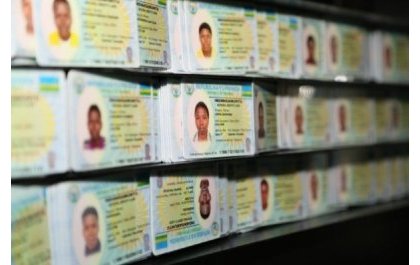
How Far Has Rwanda’s Digital ID Progressed? A Newborn Will Soon Have One
Rwanda is making significant strides in its digital transformation journey. The Rwanda Information and Communications Technology Agency (RISA) has announced that the Digital Identity Card Project is progressing well, with key data integration activities scheduled to begin within the next three months. The initiative marks a critical step toward creating a modern, secure, and inclusive digital identity system for every Rwandan starting from birth.
Project Overview and Acceleration Phase
In a recent briefing addressing the Auditor General’s Report for the fiscal year ending June 2024, RISA’s Director General, Innocent Muhizi, confirmed that the project is being implemented under the Rwanda Digital Acceleration Project. The initiative is designed to enhance digital infrastructure and promote innovative technology use across government services, including a comprehensive digital ID system.
“We’ve completed the slower groundwork phases,” Muhizi stated. “Now we are entering a more active implementation period.”
He added that in the next three to four months, RISA will launch the pre-enrollment phase, which includes collecting and entering biometric and demographic data. The National Identification Agency (NIDA) is leading this phase.
Enhanced Biometric Security Features
Compared to the current ID system, the new digital ID will capture more detailed biometric information.
“Previously, only two thumbprints were collected. Now we will collect all ten fingerprints, along with iris scans,” Muhizi explained. “This enables highly secure, remote identity verification. In the future, you’ll be able to open a bank account or perform financial transactions without being physically present all through biometric authentication.”
Access to Services Without Physical Presence
The digital ID will allow users to access a range of government and private services remotely. A mobile application is also being developed to enable users to verify and approve transactions in real time using biometrics or secure digital consent. “This new system allows you to confirm your identity and approve transactions directly from your smartphone,” Muhizi said. “Our current ID cards lack these advanced capabilities.”
Digital ID Issued from Birth
NIDA’s Director General, Josephine Mukesha, emphasized that beginning in July 2025, digital IDs will be issued at birth, marking a major policy shift from the current age threshold of 16.
“Children will be registered from the moment they are born,” Mukesha said. “We’ll collect essential data like photographs and assign their digital ID, ensuring that everyone is included from the start.”
Three Digital ID Formats for Greater Flexibility
Mukesha noted that the new ID system will have three forms:
- A physical card (similar to the current ID) with limited visible information.
- A digital version with a QR code containing encrypted data.
- A mobile-based version that allows users to control what data is shared and with whom.
- “The QR code ensures that only authorized entities can access specific data for example, verifying age without revealing your name,” she added. “This empowers citizens to manage their personal information.”
Privacy and Consent-Driven Access
One of the most significant benefits of the digital ID system is user control. Data cannot be accessed or used without the individual’s explicit consent. Users will also be able to manage who sees what information based on the services they are requesting. “You will decide which institutions or individuals can access your information,” Mukesha said. “Nothing will be used without your approval.”
Preparing the Groundwork: Data Validation
Before the digital rollout begins, NIDA and RISA are urging Rwandans to review and update their existing data in the national registry. “We often find inconsistencies, such as parents’ names being listed incorrectly or incompletely,” Mukesha explained. “Our goal is to ensure every record is accurate before issuing the new digital ID.”
Full Family Enrollment Required
Because the digital ID will cover everyone, including minors, parental or guardian verification will be required for individuals under 18. The government plans to engage communities nationwide to ensure all families are properly registered. “We must ensure that each child’s information is verified by a parent or guardian. That means community-level outreach will be essential,” Mukesha concluded.
A Digital Identity for All Rwandans
By July 2025, Rwanda plans to begin full implementation of its next-generation digital identity system. The initiative reflects the country’s commitment to digital inclusion, data security, and seamless service delivery setting an example for other nations pursuing similar goals. From newborns to senior citizens, every Rwandan will soon carry a smart, secure digital ID, empowering them to participate in the digital economy with confidence.

